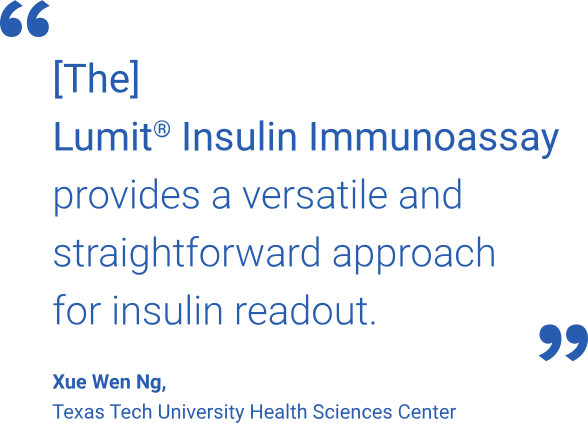
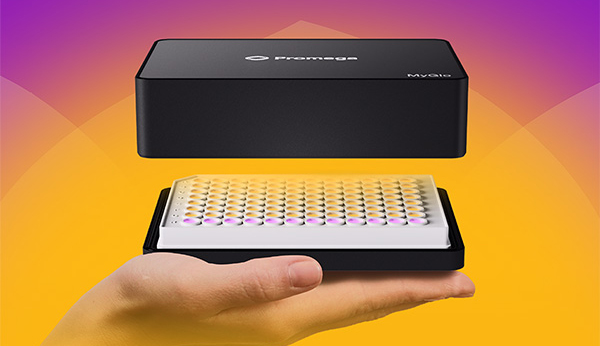
Your next cell health question, answered: Detect insulin secretion in 70 minutes with the Lumit® Insulin Immunoassay. Learn more.

What Is Cell Health?

Your cells are alive, stressed, metabolically active or dying—these are
the many measurements we use to determine cell health.
The cellular processes are interconnected, so each readout should be too.

Cell health questions never stop,
neither should the answers.

Explore our connected toolkit of cell health assays and see how
labs use these tools in their drug discovery research.
19937ma
peer-reviewed-badge

50K+ Peer Reviewed Publications

CellTiter-Glo® Luminescent
Cell Viability Assay

nci60-well-plate

Integrated in the NCI60

Screening Service Adoption,
Independently Validated

20-years-experience-dna

20 Years of Experience

Building Assays for NAMs

Cell Viability

cell-viability-green-divider

Are My Cells Alive?

Viability, the number of living cells in a sample, is a question researchers return to at every stage, from primary screen through to target optimization. An assay that lacks sensitivity at low cell numbers or introduces variability between plates undermining every downstream result. The CellTiter-Glo® Luminescent Viability Assay is the gold standard in viability screens, cited in over 50,000 peer review publications.

View All Viability Assays
cell-viabillity-quote-vs-2
View Full Testimonial

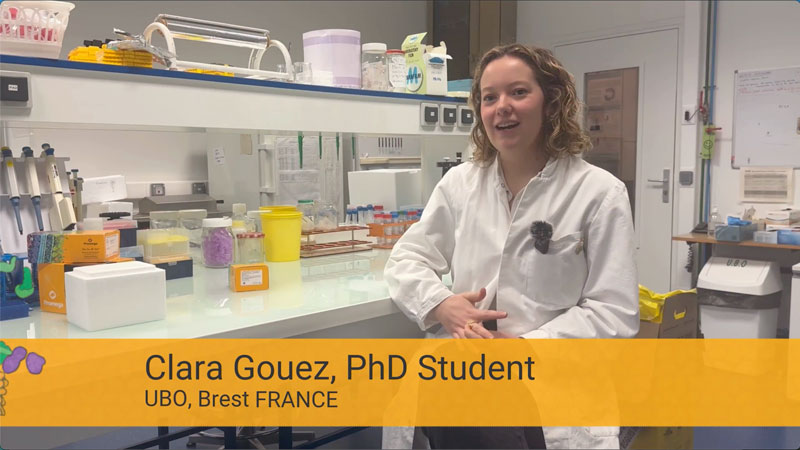
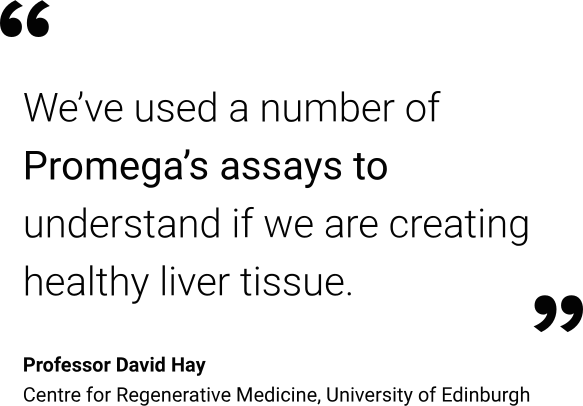
“We perform knockdown experiments for noncoding RNAs on a number of different cell lines to identify novel cancer therapy targets. The CellTiter-Glo® Assay is an extremely easy-to-use reagent to address cell viability and obtain consistent and reproducible results.”

Dr. Colleen Jonsson, Director of the Regional Biocontainment Laboratory and Director of the Institute for the Study of Host-Pathogen Systems, University of Tennessee Health Science Center.

Proliferation

proliferation-light-blue-divider

Are My Cells Proliferating?

Cell proliferation is a fundamental parameter of cell-based research, assessed across a wide range of application workflows from cancer drug screening and targeted protein degradation to cell therapy development and pathway biology. If a treatment changes cell proliferation, further investigation is warranted, making it one of the most universal readouts in drug discovery.

View All Cell Proliferation AssaysView Cell Proliferation Guide

Advancing Gastric Cancer Research with the
Lumit® Cell Proliferation Assay

Cell Death and Stress

cell-death-and-stress-purple-divider

How & Why Are My Cells Dying?

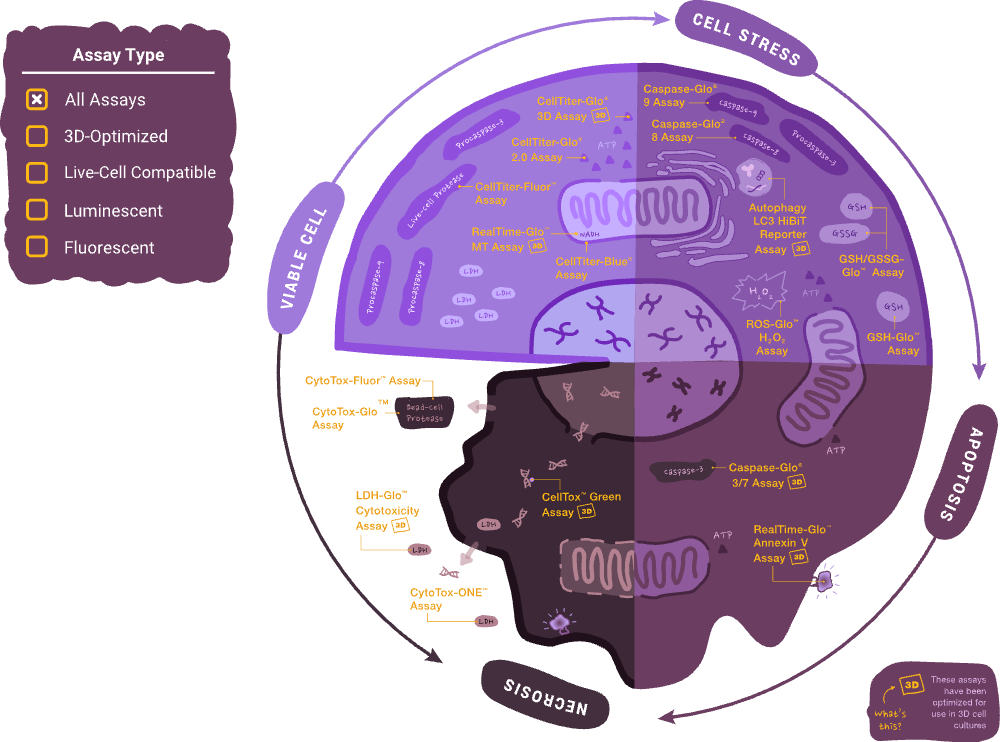
When a treatment kills cells, the next questions are often how and why. Each marker captures one part of a complex, multi-pathway process (e.g., caspase activity, membrane changes, DNA fragmentation, or phosphatidylserine exposure). Multiple detection methods are often needed to confidently identify the mechanism of death.

View All Apoptosis Assays
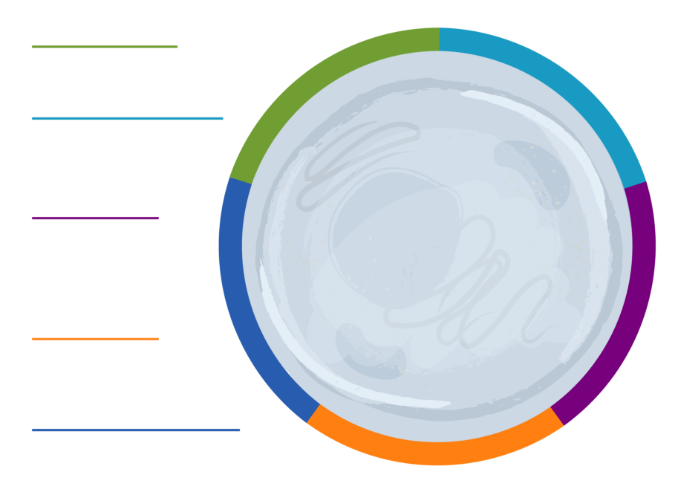
Click to enlarge and view detection solutions at each
stage of a cell life cycle.
cell-death-and-strtess-quote-vs2

Are My Cells Under Stress?

Cellular stress comes in many forms—oxidative imbalance, reactive nitrogen species, and altered signaling pathways all indicate how cells are responding to treatment or challenging conditions. Understanding which stressors are active helps explain compound effects and cell behavior.

View All Oxidative Stress Assays

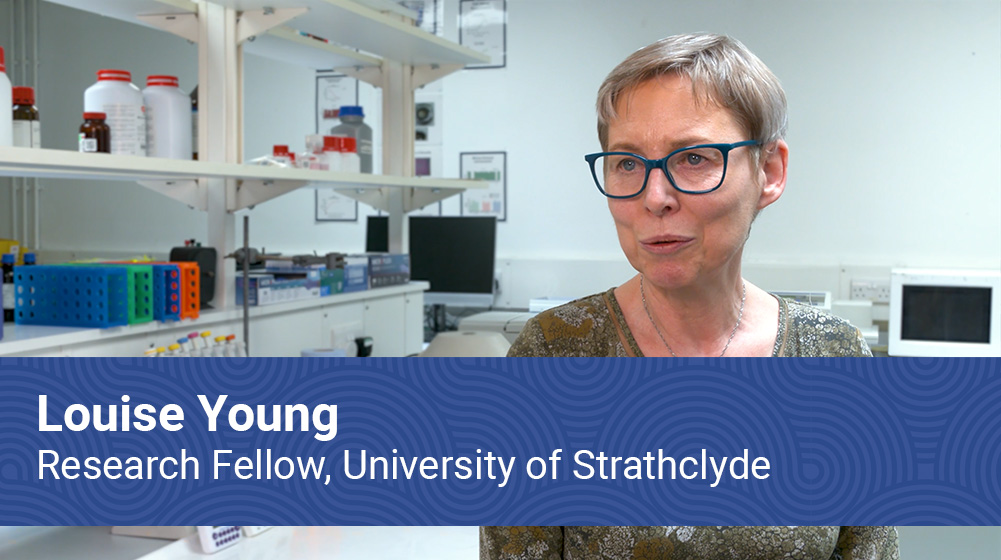
Strathclyde University Case Study

Metabolic Profiling

metabolic-profiling-orange-divider

What Are My Cells Eating, Burning & Storing?

Cell metabolism is a window into how compounds affect cellular function. Understanding how cells use glucose, metabolize lipids or manage energy production requires measuring multiple metabolites and pathways.

View All Metabolic Activity Assays
metabolic-profiling-quote-vs2

Immune Signaling

immune-signaling-blue-divider

What Immune Signals Are My Cells Sending?

Cytokines and inflammatory mediators are indicators for how cells respond to treatment, infection or immune challenge. Profiling multiple cytokines, immune markers, and metabolic hormones is often necessary to characterize the full scope of the immune response.

View All Inflammation Assays
immune-signaling-quote-vs2

3D Models

Will My Assays Work in 3D Models?

Moving from 2D cultures to spheroids, organoids or co-culture systems doesn’t have to mean starting over with new assays. The same cell health tools you rely on in 2D are validated for 3D so your protocols, your data and your confidence carry over. 3D cell cultures are a core component of New Approach Methodologies (NAMs).

Explore 3D Cell Culture Assays
3d-models-quote-vs2

Multiplexing

Can I Multiply and Scale Up?

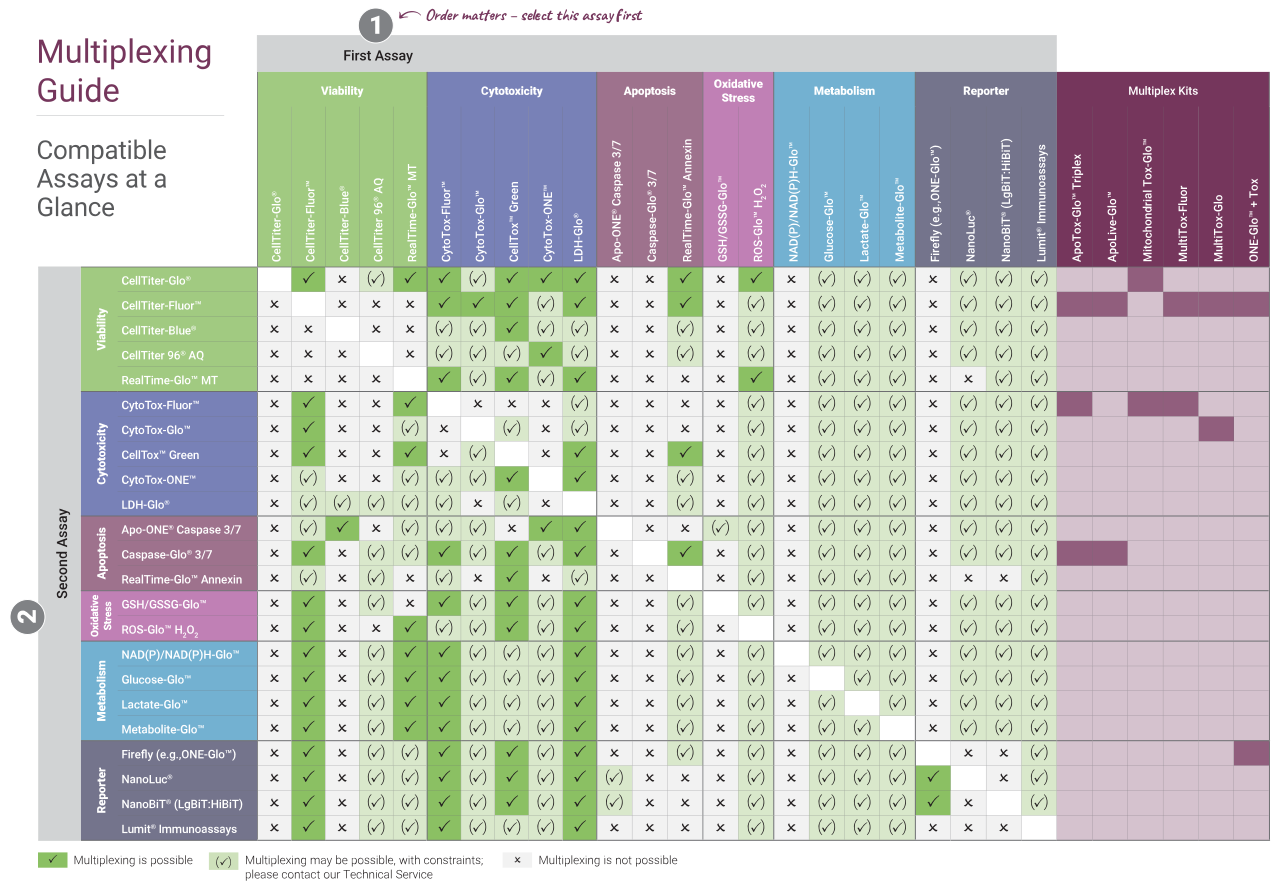
Running viability, cytotoxicity, and apoptosis as separate assays on separate plates means more sample, more time and more variability between measurements. Multiplexing combines those readouts in a single well. Our cell health assays are designed to pair together and scale from 96-well through automation-ready 384-well formats, so adding an assay doesn’t mean adding a workflow.

multiplexing
View Multiplexing Guide

Help identify measurements that work together.
19869la

Want to Learn More?

Explore additional research, testimonials and citations across cell health applications.

Cell Viability

cell-viability-green-divider
Key Takeaways
  • Cell health assays detect cellular events indicating whether cells are alive, stressed or dying–essential for drug discovery, toxicology and basic cell biology.
  • We offer assays for 8 parameters: viability, cytotoxicity, apoptosis, autophagy, inflammation, oxidative stress, metabolic activity and ADME-Tox.
  • The CellTiter-Glo® Assay, the gold-standard cell viability assay, is cited in over 50k peer-reviewed publications.
  • Validate for 2D, 3D, organoids, primary cells and stem cells.
  • Multiplexing options measure multiple parameters in a single well.